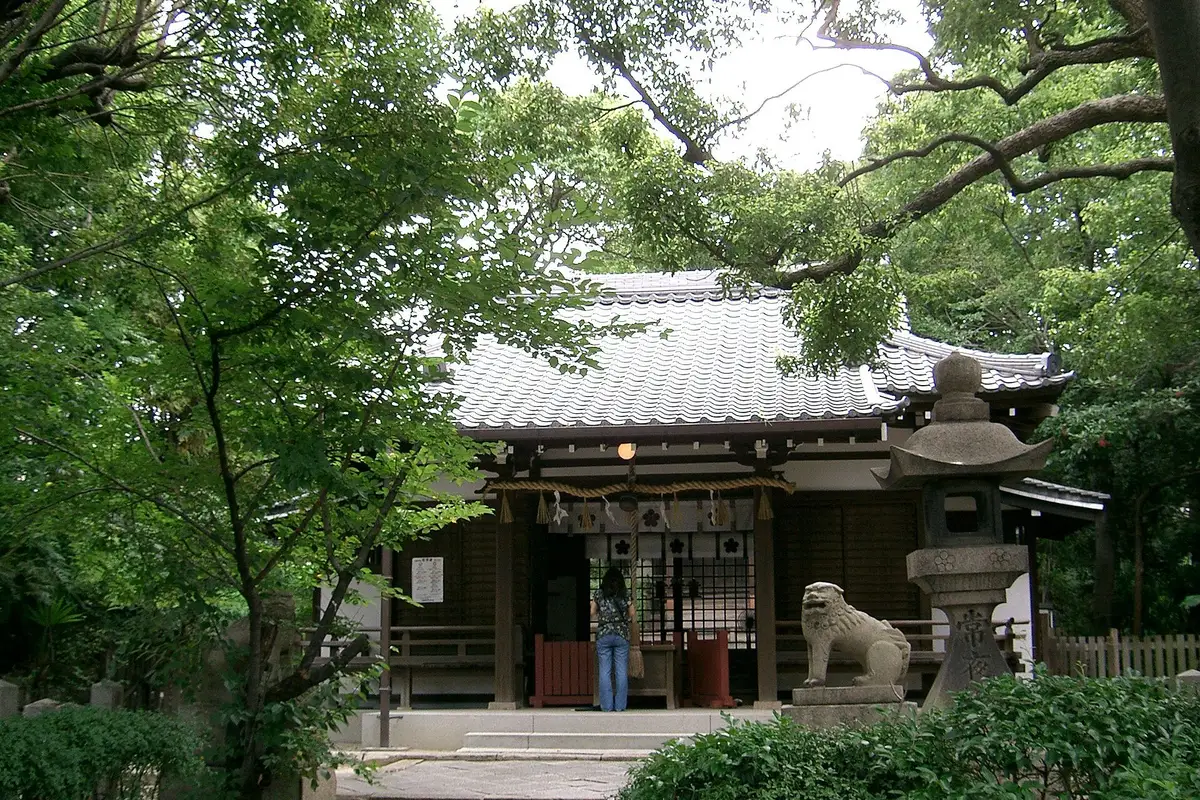
Yasui Shrine
安居神社· Shrine
About
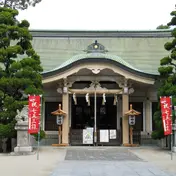
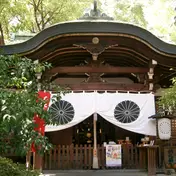
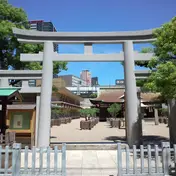
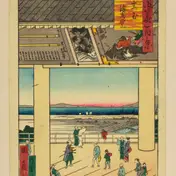
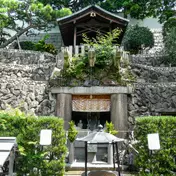
An old shrine to Sukunahikona no Kami and Sugawara no Michizane. In 901, when Michizane was exiled to Dazaifu, he stopped and rested here, yasui, on his way to visit his aunt, the nun Kakujuni, at Domyoji in Kawachi. Villagers who felt for him offered him okoshi, a sweet of puffed grain, and in return he gave them the Sugawara family crest, the umebachi plum. That is said to be the origin of the plum crest used as the trademark of awa-okoshi, an Osaka speciality. Yasui Tenjinsha itself was built by villagers in 942, after Michizane's death, to enshrine his spirit. Monks of Shitennoji sometimes held their ge-ango here, the rainy-season retreat in which they stayed inside the temple and devoted themselves to practice, and the name yasui, rest, is said to have become ango, written with those characters. In 1726 Shimomura Hikoemon, founder of the Daimaru stores, lamented how badly the buildings had decayed and repaired them. Successive heads of Daimaru held the shrine in deep faith, which is why it is known as Daimaru Tenjin. The precincts hold the Kanshizume no I, the well that calms convulsions, one of the seven famous waters of Tennoji, which Michizane is said to have drunk from, and a bronze memorial statue of Sanada Yukimura, killed by Tokugawa forces in the Summer Siege of Osaka.
Translated from the Osaka Prefecture and Osaka City tourist listings (観光施設一覧, CC BY 4.0).
Getting there


Good to know
Area
Listed in 大阪府・大阪市 観光施設一覧 (CC BY 4.0), Wikidata (CC0). Photo credits are on the terms page.