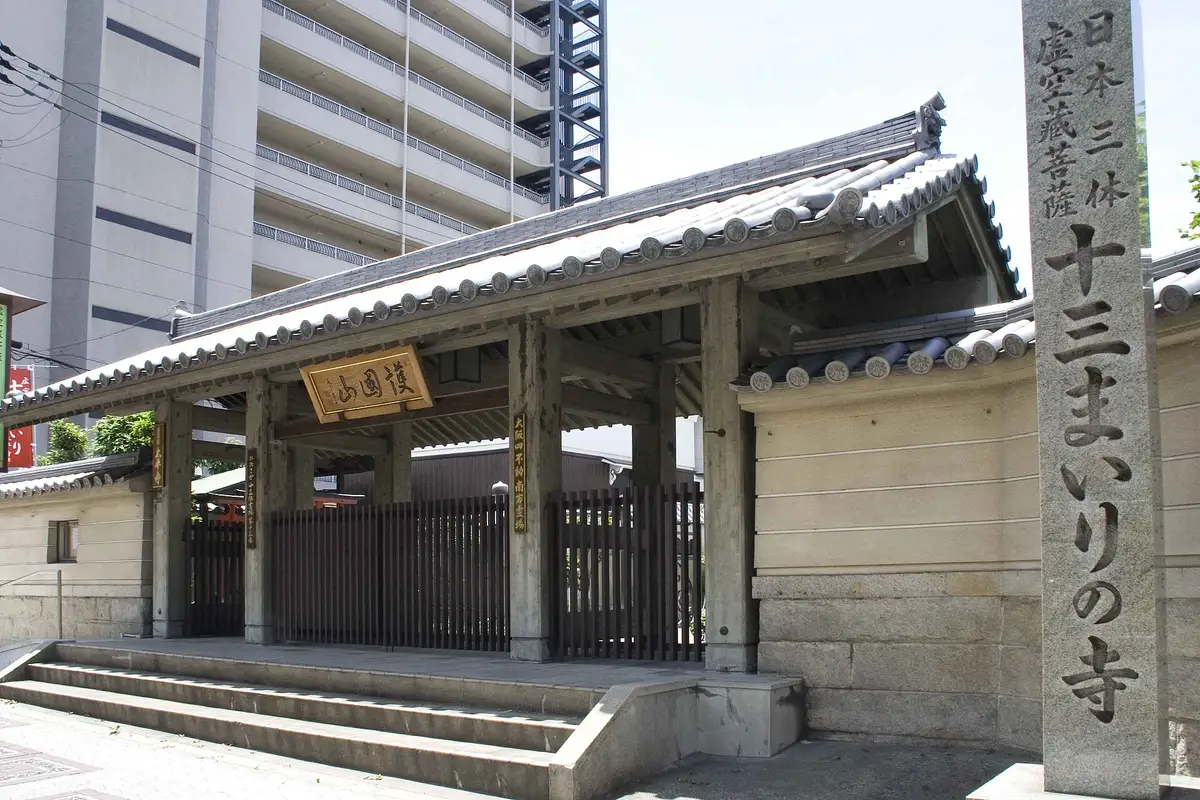
Taihei-ji Temple
太平寺· Temple
About
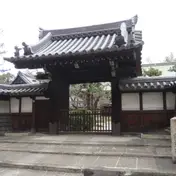
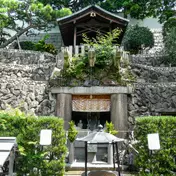
The Edo period Settsu Meisho Zue Taisei records that 'the Kokuzo hall is at Taiheiji, where Kokuzo Bosatsu is enshrined; worshippers never cease, and on the thirteenth day of the third month in particular children of thirteen come in crowds to pray for wisdom and good fortune, which is called jusanmairi.' Taiheiji has long been revered as the temple of jusanmairi, the visit made at the age of thirteen, and many children have received the wisdom and blessings of Kokuzo Bosatsu, said to be without limit. Further back, Taiheiji is said to have been one of the halls inside Shitennoji in the sixteenth century, to have fallen into ruin, and to have been rebuilt in Kanbun 3 (1663) by the priest Chozan Ginetsu, who restored the halls and opened it as a Soto sect temple. The grounds also hold the Kitayama Fudo Myoo, a cultural property designated by the city of Osaka, where Kitayama Juan, a noted physician of the Genroku era, entered his final meditation as a self mummified Buddha, and worshippers come to this as well without a break.
Translated from the Osaka Prefecture and Osaka City tourist listings (観光施設一覧, CC BY 4.0).
Getting there


Good to know



Designated cultural properties
Osaka Prefecture's list of designated cultural properties names this place as the owner of 1. Objects are not necessarily on view.
大阪府 文化財一覧 (CC BY 4.0), current at 2024-05-01. Joined by owner name; long names are shortened to the buildings or the object.
Area
Listed in 大阪府・大阪市 観光施設一覧 (CC BY 4.0), Wikidata (CC0). Photo credits are on the terms page.