大阪取引所
Architecture
About
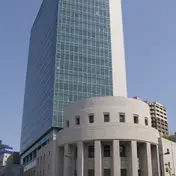
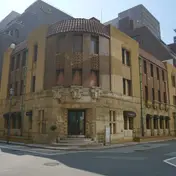
The Osaka Exchange, formerly the Osaka Securities Exchange, stands south-east of Naniwabashi, the lion bridge, and is known for its old architecture: a grand white cylindrical front and an entrance lobby with beautiful stained glass. It was finished in Showa 10 (1935) to the design of the Hasebe Takekoshi architectural office. The exchange traces its origin to the early Edo period. Around the Joo and Kanbun years (1652-1673) the domains set up warehouse compounds in Osaka, shipping and storing their tribute rice and selling it to merchants. The most powerful of those merchants, Yodoya, kept house at the south end of what is now Yodoyabashi and traded busily, and other merchants gathered there until a market formed of itself. This came to be called the Yodoya rice market and is said to be the beginning of securities trading in Japan. The market later moved across the river to Dojima, and in Kyoho 15 (1730) the shogunate licensed it as the Dojima rice exchange. Trading there was mostly choaimai, settled by paying the difference in the books, which makes it famous as the first organised futures exchange in the world. Since the merger with the Tokyo Stock Exchange in 2013 and its place in the Japan Exchange Group, the Osaka Exchange has carried the Dojima line forward and deals in futures and options. At the first trading of the new year, office workers in kimono clap in unison in the entrance lobby. The OSE Gallery, where the western base of the Japan Exchange Group explains the markets in shares and futures, can be visited freely; groups of ten or more should book.
Translated from the Osaka Prefecture and Osaka City tourist listings (観光施設一覧, CC BY 4.0).
Getting there


Good to know



Area

Listed in 大阪府・大阪市 観光施設一覧 (CC BY 4.0). Photo credits are on the terms page.