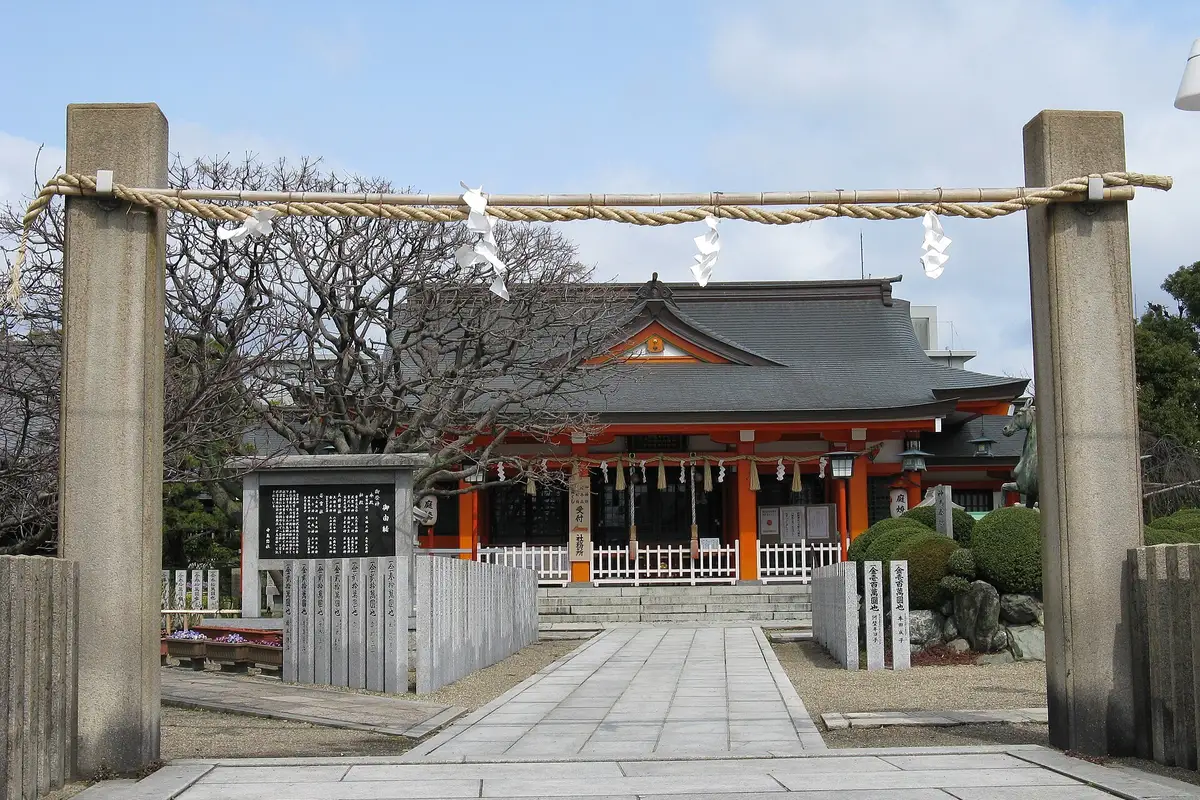
Nakajima-so Shrine
中島惣社· Shrine
About
Nakajima Soja is said to have been founded around 651, when the capital was moved to Naniwa Nagara Toyosaki under Emperor Kotoku, receiving extensive shrine land for prayers for good harvests. At the end of the Keicho era, in 1615, it was caught in the fires of the Osaka campaign. The old documents burned, and only one ancient picture map of the shrine and a wooden tablet inscribed Nakajima Sosha, dated 1335, were left, so the date of founding is unknown. Tradition says that the shrine once stood on a sandbar in Nakajima-go, and that as fields were opened and houses increased Uganomitama no Kami was enshrined as the guardian deity, which was the beginning. It was first called Inari Shrine and took its present name in 1896. Soja here means sosha, the parent shrine of the 48 villages of Nakajima-go, and between 1908 and 1909 many neighbouring shrines were merged into it. It burned in the air raid of 1945 and, after several rebuildings, now has a fine hall. A verse stone in the precincts called Ochiba-zuka is carved with a haiku by Basho.
Translated from the Osaka Prefecture and Osaka City tourist listings (観光施設一覧, CC BY 4.0).
Getting there


Good to know


Listed in 大阪府・大阪市 観光施設一覧 (CC BY 4.0), Wikidata (CC0). Photo credits are on the terms page.